
A Shocking Security Breach in the Heart of Washington
On May 5, 2026, the White House was briefly locked down after an armed confrontation near the Washington Monument that involved gunfire between the Secret Service and an armed individual. The incident, which left one person wounded and a bystander grazed, has raised serious questions about presidential security protocols and the evolving threats facing those who protect America’s highest office.

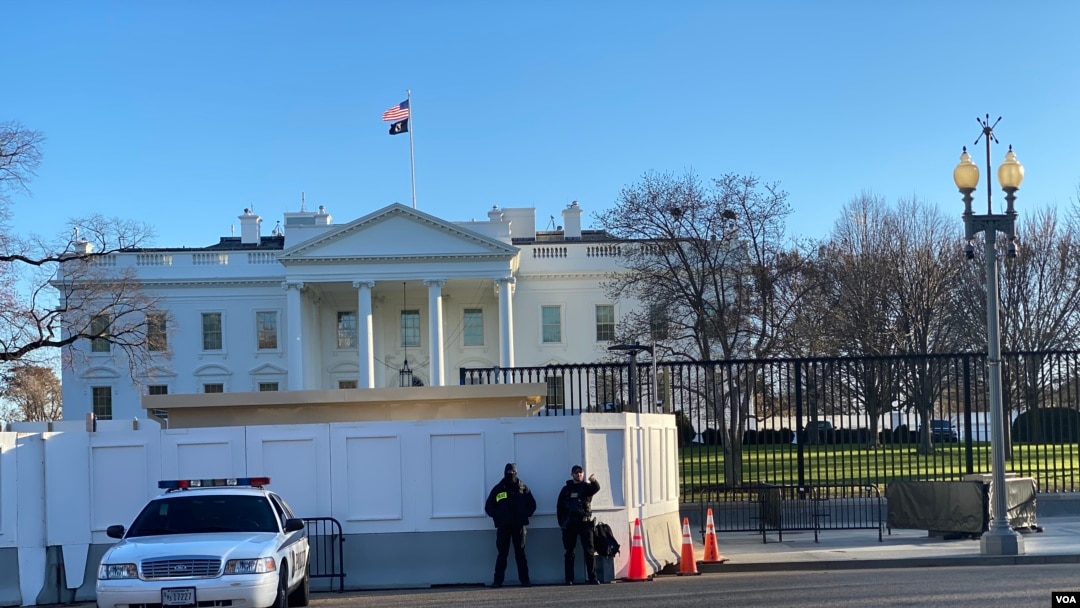
The White House, America’s most secure residence, briefly went into lockdown following a security incident. Photo: Unsplash
What Happened: A Timeline of Events
According to reports from The Washington Post, The New York Times, and other major news outlets, the incident unfolded rapidly:
- Early morning: An armed individual was spotted near the Washington Monument, within close proximity to the White House
- Secret Service response: Officers confronted the suspect and exchanged gunfire
- Lockdown initiated: The White House immediately went into security lockdown protocol
- Suspect wounded: The armed individual was shot and wounded by Secret Service personnel
- Bystander affected: A bystander in the area was grazed during the exchange
- Situation contained: The lockdown was lifted after the area was secured
The swift response by the Secret Service prevented what could have been a much more serious incident, but the proximity of an armed individual to the presidential residence has sparked intense scrutiny.
The Secret Service: America’s Elite Protective Force
The United States Secret Service is one of the most elite law enforcement agencies in the world, with a dual mission of protecting the nation’s leaders and investigating financial crimes. The agency’s protective division is responsible for:
- The President and Vice President and their immediate families
- Visiting heads of state and foreign dignitaries
- National Special Security Events like inaugurations and major summits
- Former presidents and their spouses

White House Security: Layers of Protection
The White House is one of the most heavily secured buildings on Earth, featuring multiple layers of protection:
Physical Barriers
- Fencing that extends both above and below ground
- Reinforced gates with controlled access points
- Vehicle barriers to prevent ramming attacks
- Restricted airspace enforced by NORAD
Personnel
- Uniformed Division officers patrolling the grounds 24/7
- Special Agents providing close protection
- Counter-sniper teams on rooftops
- K-9 units for explosive detection
Technology
- Advanced surveillance systems
- Ground sensors and motion detectors
- Secure communications networks
- Integrated command and control center
What the Lockdown Means
A White House lockdown is not a routine event. When initiated, it triggers:
- Immediate lockdown of all entrances and exits
- Movement restrictions for all personnel inside the complex
- Heightened alert status for all security personnel
- Coordination with local law enforcement and federal agencies
- Potential relocation of the President to secure areas
“The Secret Service operates on a principle of layered security. When one layer is breached, additional protocols immediately activate to ensure the safety of protected individuals.”
— Former Secret Service Agent
Historical Context: Security Incidents at the White House
This is not the first security incident to affect the White House. Previous notable events include:
- 2014 Fence Jumper: An intruder scaled the fence and made it inside the East Room before being apprehended
- 2015 Drone Incident: A small drone crashed on the White House grounds, raising concerns about aerial threats
- 2016 Shooting: A gunman fired at the White House, striking a window
- 2020 Protests: The White House went into lockdown during nationwide protests
The Evolving Nature of Presidential Security Threats
Presidential security faces increasingly complex challenges:
Traditional Threats
- Armed individuals approaching secure areas
- Vehicle-borne attacks
- Sniper threats
- Coordinated assaults
Emerging Challenges
- Cyber threats: Digital attacks on security systems
- Drone technology: Unmanned aerial vehicles as potential threats
- Social media: Real-time tracking of presidential movements
- Domestic extremism: Homegrown threats with insider knowledge
Public Access vs. Security: A Delicate Balance
The White House is not just a residence—it’s a symbol of American democracy. The tension between maintaining public access and ensuring security is ongoing:
- Tourism: Thousands visit the White House annually
- Protest rights: The area around the White House is a traditional protest site
- Public spaces: The National Mall and surrounding parks are open to all
- Democratic values: Security measures must balance with constitutional freedoms
What’s Next for Presidential Security
Following this incident, several reviews and potential changes are likely:
- Operational Review: The Secret Service will conduct a thorough after-action review
- Perimeter Assessment: Security boundaries may be reassessed
- Technology Upgrades: New detection and prevention systems may be deployed
- Personnel Training: Additional training scenarios based on this incident
- Interagency Coordination: Improved communication with local law enforcement
The Human Element
Behind the protocols and technology are dedicated men and women who put their lives on the line:
- Secret Service agents work grueling schedules
- Families sacrifice normalcy for service
- The mental toll of constant vigilance is significant
- Training is continuous and demanding

Conclusion: Security in a Changing World
The White House lockdown of May 5, 2026, serves as a stark reminder that presidential security is an ongoing challenge that evolves with each new threat. While the Secret Service successfully contained this incident, it highlights the constant vigilance required to protect America’s highest office.
The balance between openness and security, between public access and presidential protection, remains one of the most complex challenges facing modern democracy. As threats evolve, so too must the measures designed to counter them—always with the goal of preserving both safety and the democratic values the White House represents.
Sources and Credits
- The Washington Post: Gunfire between Secret Service and armed person briefly locks down White House, May 5, 2026
- The New York Times: Secret Service Shoots and Wounds Armed Man Near Washington Monument, May 2026
- NBC4 Washington: Bystander grazed in Secret Service police shooting near National Mall
- Reuters: Secret Service says it exchanged gunfire with armed suspect near White House
- The Guardian: Person shot by law enforcement near Washington monument
- Images: Unsplash, used under free license
Last updated: May 5, 2026. This article provides factual coverage of the security incident and analysis of presidential protection protocols.