
The Strait of Hormuz: A Global Flashpoint
The recent escalation between the United States and Iran in the Strait of Hormuz has captured global attention and raised serious concerns about regional stability. On May 5, 2026, U.S. naval forces engaged with Iranian boats, sinking seven small vessels as Iran launched attacks on UAE targets and commercial shipping in this critical waterway. This confrontation represents one of the most serious military engagements between the two nations in recent years.

1. Why the Strait of Hormuz Matters
The Strait of Hormuz is the world’s most important oil chokepoint. Approximately 21 million barrels of oil pass through this narrow waterway daily, representing about 21% of global petroleum consumption. Any disruption to shipping in this region has immediate and significant impacts on global energy markets and economies worldwide.
Key facts about the Strait:
- Only 21 miles wide at its narrowest point
- Connects the Persian Gulf to the Gulf of Oman and Arabian Sea
- Bordered by Iran, Oman, and the UAE
- Critical passage for oil from Saudi Arabia, Iraq, Kuwait, and Iran
2. What Triggered the Current Conflict
The immediate trigger was Iran’s decision to attack commercial shipping and UAE targets in the strait. According to CBS News and multiple international sources, Iran launched coordinated attacks against vessels transiting the waterway, prompting a swift U.S. military response.
The sequence of events:
- Iranian forces attacked commercial vessels in the strait
- UAE facilities came under fire
- U.S. Navy destroyers intervened to protect shipping lanes
- Seven Iranian small boats were sunk in the engagement
- Two U.S. Navy destroyers successfully transited the strait under protection
3. The Military Response and Its Implications
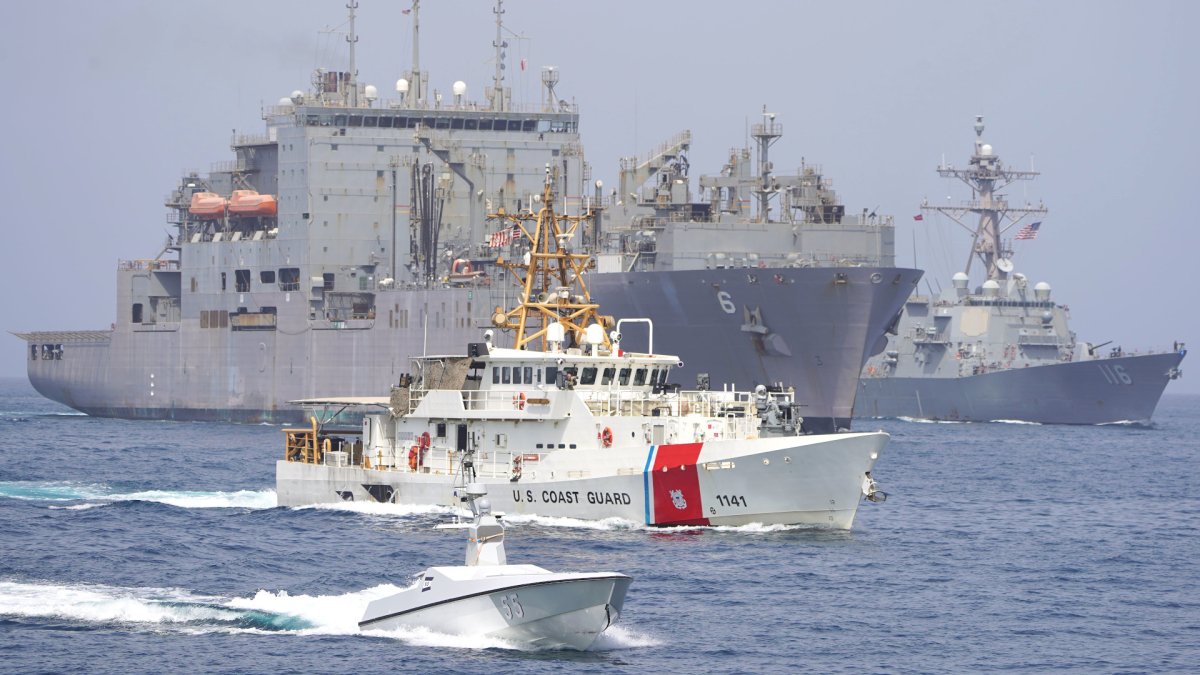
The U.S. response was both swift and measured. American naval forces engaged Iranian small boats while working to maintain the flow of commercial shipping through the strait. Maersk, one of the world’s largest shipping companies, confirmed that one of its vessels passed through the strait under U.S. military protection.
What this means militarily:
- The U.S. demonstrated its commitment to keeping the strait open
- Iran’s asymmetric naval tactics face serious challenges against superior U.S. forces
- The engagement shows the limits of Iran’s small-boat swarm strategy
- Commercial shipping can continue with military escort
4. Economic and Global Market Impact
President Trump has attempted to downplay the economic effects of the conflict, but markets remain jittery. The confrontation has already affected:
- Oil prices: Immediate spike in crude oil futures
- Shipping insurance: Premiums for Gulf transit have increased dramatically
- Regional trade: UAE and Gulf economies face uncertainty
- Global supply chains: Energy-dependent industries brace for potential disruptions
“The Strait of Hormuz is not just a regional issue—it’s a global economic artery. Any sustained conflict here affects every economy on Earth.”
— Energy Market Analyst
5. What’s Next: Diplomatic and Strategic Considerations
The current situation presents several possible scenarios:
Short-term Outlook
- U.S. military presence in the region will likely increase
- Coalition building with allies for maritime security
- Heightened alert status for all Gulf military forces
Long-term Considerations
- Need for diplomatic channels to prevent further escalation
- Potential for renewed nuclear negotiations under pressure
- Regional realignment as Gulf states reassess security arrangements
- Global energy transition acceleration to reduce Hormuz dependency

The Human Cost
Beyond the strategic and economic implications, it’s important to remember the human element. Military personnel on both sides face life-threatening situations, and civilian sailors transiting these waters operate under heightened risk. The families of service members and merchant mariners alike bear the anxiety of these confrontations.
Historical Context
This is not the first confrontation in the Strait of Hormuz. Previous incidents include:
- 1980s Tanker War: During the Iran-Iraq war, hundreds of ships were attacked
- 2019 Attacks: Mystery attacks on oil tankers raised regional tensions
- 2020 Soleimani Strike: heightened U.S.-Iran tensions affected shipping
- 2023-2024: Houthi attacks in the Red Sea created parallel concerns
Conclusion: Navigating Dangerous Waters
The U.S.-Iran naval conflict in the Strait of Hormuz represents a critical moment for global security and economic stability. While military forces work to maintain open shipping lanes, the international community must prioritize diplomatic solutions to prevent further escalation.
The five key takeaways are clear: the strait’s irreplaceable economic importance, the specific triggers of the current conflict, the effectiveness of U.S. naval response, the inevitable economic impacts, and the urgent need for diplomatic engagement. How the international community responds in the coming weeks will shape regional security for years to come.
Sources and Credits
- CBS News: Live Updates on U.S.-Iran Naval Engagement, May 5, 2026
- CNN: Analysis of Strait of Hormuz Ceasefire Challenges, May 2026
- CNBC: Maersk Shipping Statement on Military Escort
- The Wall Street Journal: How the U.S. Cleared a Path Through the Strait
- Energy Information Administration: Strait of Hormuz Oil Transit Data
- Images: Unsplash, used under free license
Last updated: May 5, 2026. This article provides factual coverage of ongoing events and will be updated as new information becomes available.