
The New Reality: Weather is Changing
Extreme weather events are becoming more frequent and intense across the globe. From devastating hurricanes and wildfires to unprecedented heat waves and flooding, 2026 has already demonstrated that preparation is not optional—it’s essential. This comprehensive guide will help you understand the risks and take concrete steps to protect yourself, your family, and your property.
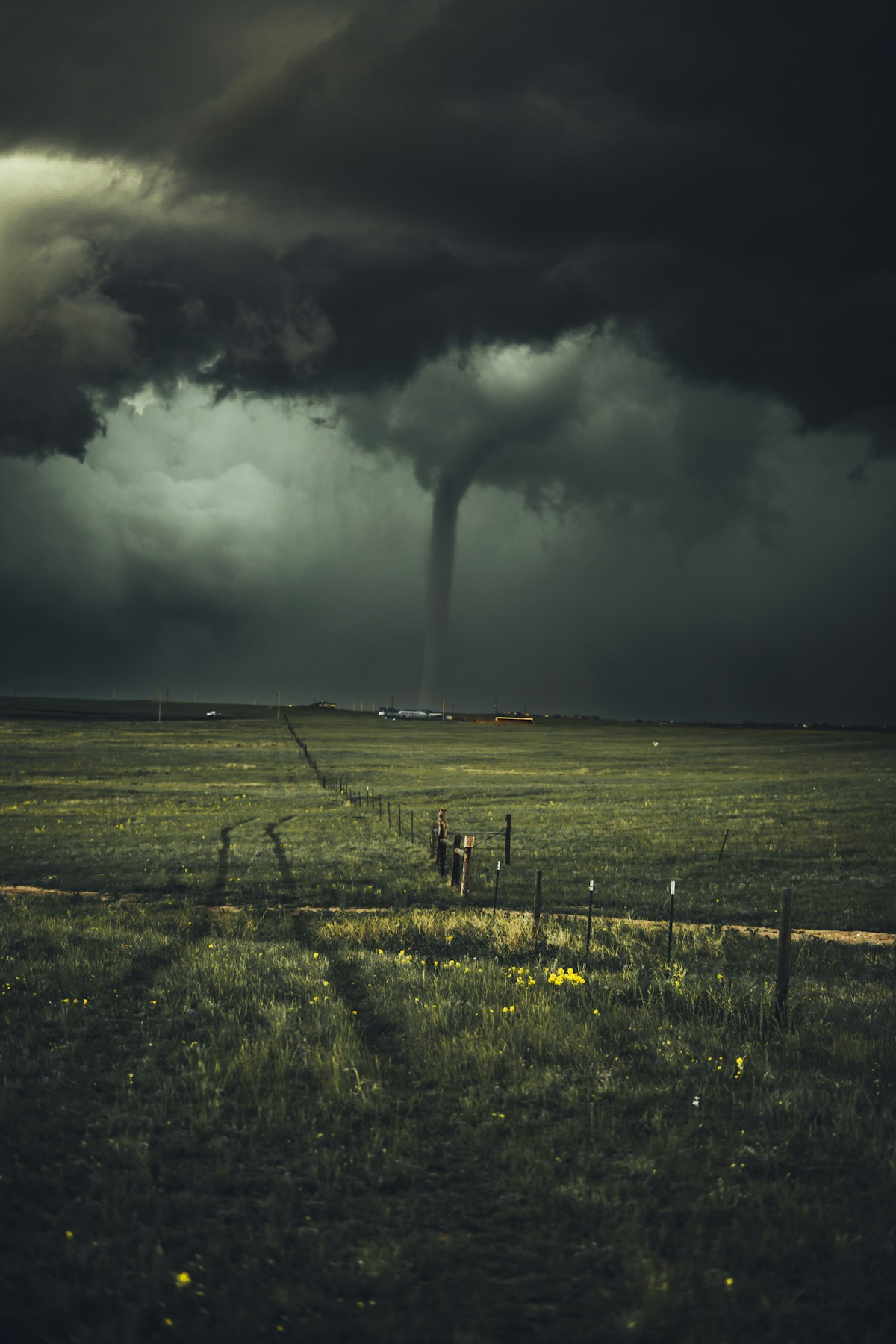
Understanding the 2026 Weather Landscape
This year has already seen significant weather events that highlight the need for preparation:
- Record-breaking heat waves: Multiple regions experiencing temperatures well above historical averages
- Intensified hurricane season: Early indicators suggest above-normal storm activity
- Extended drought conditions: Water scarcity affecting agricultural and urban areas
- Severe flooding: Unexpected rainfall overwhelming infrastructure
- Wildfire expansion: Longer fire seasons affecting more regions
According to the National Weather Service and climate monitoring organizations, these trends are expected to continue throughout 2026.
Creating Your Emergency Plan
Every household should have a comprehensive emergency plan:
Communication Strategy
- Designate meeting points: Choose locations both near your home and outside your neighborhood
- Emergency contacts: Create a list with local and out-of-area contacts
- Communication methods: Establish how you’ll reach family members if networks fail
- Special needs planning: Account for elderly family members, children, and pets
Evacuation Planning
- Know your routes: Identify multiple evacuation paths from your area
- Transportation arrangements: Ensure access to vehicles or public transport
- Destination planning: Identify shelters, hotels, or family homes
- Timing considerations: Understand when to leave versus shelter in place
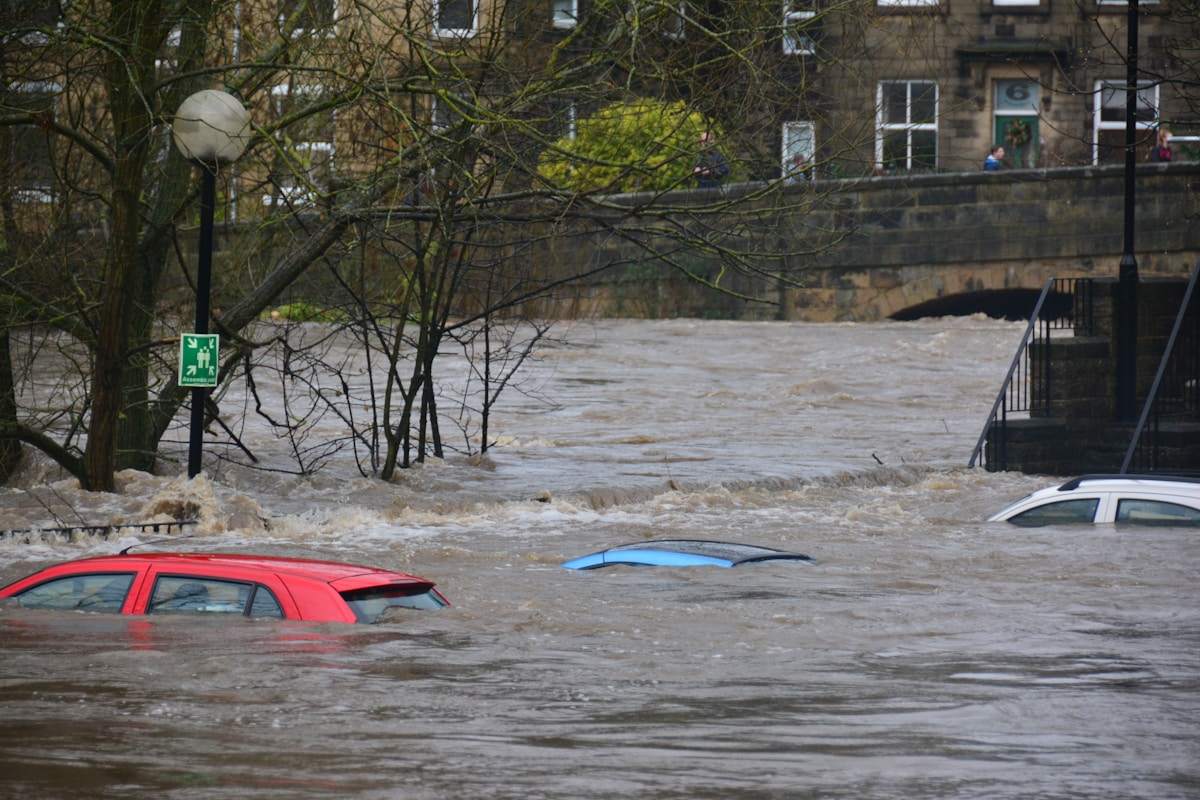
Building Your Emergency Kit
A well-stocked emergency kit can sustain you for at least 72 hours:
Essential Supplies
- Water: One gallon per person per day for at least three days
- Food: Non-perishable items for three days minimum
- Flashlights and batteries: Multiple light sources with extra batteries
- First aid kit: Comprehensive medical supplies
- Radio: Battery-powered or hand-crank emergency radio
Important Documents
- Identification: Copies of IDs, passports, and birth certificates
- Insurance policies: Home, auto, and health insurance documents
- Financial records: Bank account information and credit cards
- Medical information: Prescriptions, allergies, and medical history
- Property deeds: Home ownership and vehicle titles
Special Considerations
- Medications: Extra supplies of prescription medications
- Baby supplies: Formula, diapers, and baby food
- Pet supplies: Food, water, carriers, and medical records
- Cash: Small bills and coins for when ATMs don’t work
- Tools: Basic tools for emergency repairs
“The best time to prepare for an emergency is before it happens. Having a plan and supplies ready can make the difference between panic and confidence when disaster strikes.”
— Emergency Management Expert
Home Preparation Strategies
Protecting your property requires proactive measures:
Structural Improvements
- Roof reinforcement: Secure shingles and repair weak areas
- Window protection: Install storm shutters or impact-resistant windows
- Door reinforcement: Strengthen entry points against high winds
- Foundation checks: Ensure proper drainage around your home
- Gutter maintenance: Clean and secure gutters and downspouts
Utility Preparation
- Generator readiness: Test backup power systems regularly
- Surge protection: Install protectors for electronics
- Water shut-off: Know how to turn off main water supply
- Gas safety: Understand how to shut off gas lines
- Electrical safety: Know your electrical panel and circuit breakers
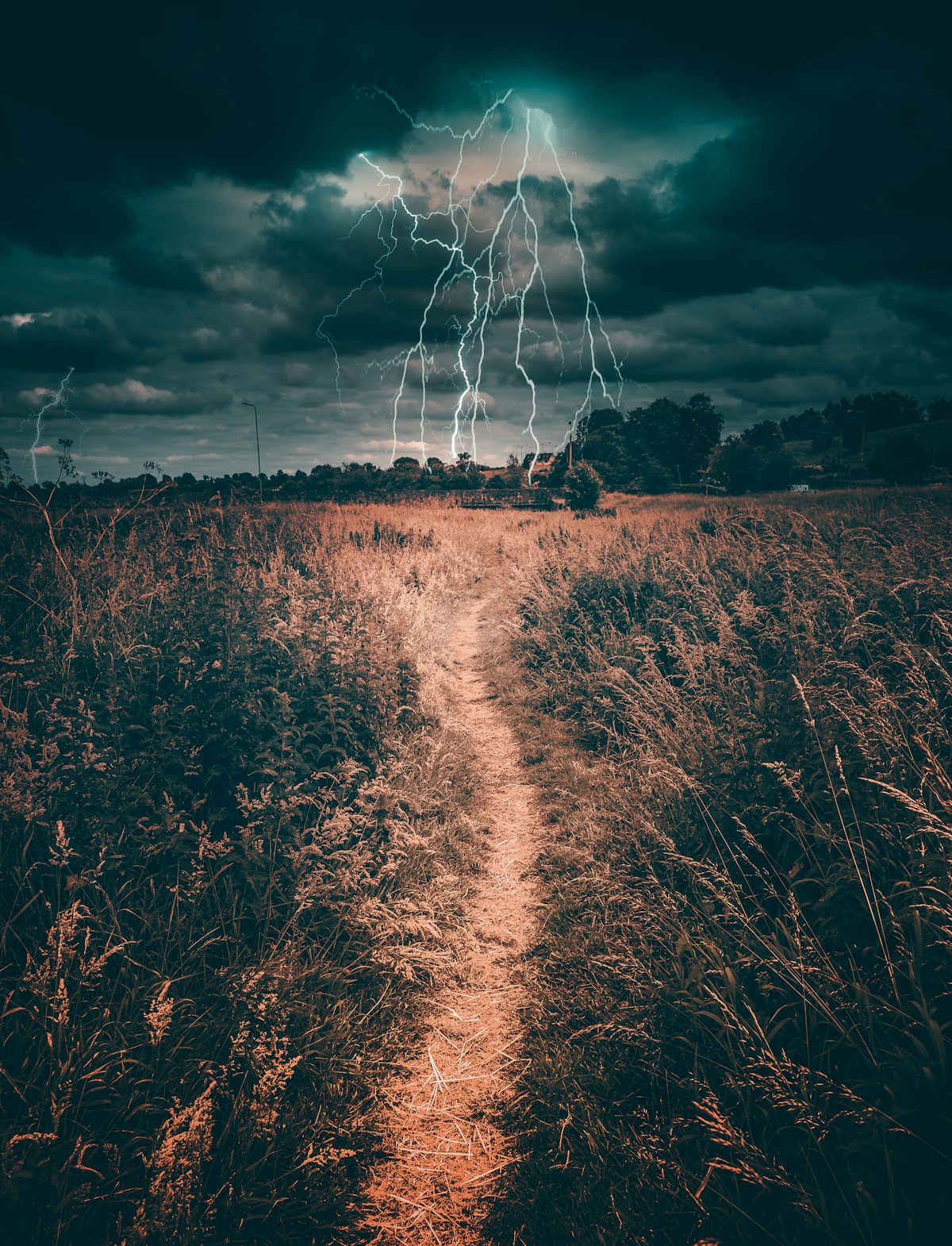
Region-Specific Preparations
Different regions face different weather threats:
Hurricane Zones
- Install hurricane shutters or pre-cut plywood
- Secure outdoor furniture and decorations
- Trim trees and remove dead branches
- Consider flood insurance
- Know your evacuation zone
Wildfire Areas
- Create defensible space around your home
- Use fire-resistant building materials
- Clear gutters and roofs of debris
- Have emergency supplies ready for quick evacuation
- Sign up for emergency alerts
Tornado Regions
- Identify safe rooms or storm shelters
- Practice tornado drills with family
- Keep helmets and sturdy shoes in shelter areas
- Monitor weather alerts closely
- Know the difference between watches and warnings
Flood-Prone Areas
- Elevate electrical systems and appliances
- Install check valves in plumbing
- Waterproof basement areas
- Move valuables to higher floors
- Consider flood barriers or sandbags
Technology and Information
Staying informed is crucial during extreme weather:
Early Warning Systems
- Weather apps: Download reliable weather applications
- Emergency alerts: Enable wireless emergency alerts on phones
- Local news: Follow local meteorologists and news stations
- NOAA Radio: Consider a dedicated weather radio
- Social media: Follow emergency management accounts
Backup Communication
- Solar chargers: Keep devices powered during outages
- Two-way radios: Communication when cell towers fail
- Power banks: Multiple charged battery packs
- Car chargers: Charge devices using vehicle power

Financial Preparedness
Extreme weather can have significant financial impacts:
Insurance Review
- Coverage adequacy: Ensure policies cover current rebuilding costs
- Flood insurance: Consider separate flood coverage
- Contents coverage: Document valuable possessions
- Deductibles: Understand your out-of-pocket responsibilities
- Policy updates: Review and update coverage annually
Emergency Fund
- Three to six months: Maintain accessible savings
- Small bills: Keep cash for when electronic systems fail
- Document storage: Secure important documents in waterproof containers
- Digital backups: Cloud storage for essential records
Community Preparedness
Individual preparation is important, but community resilience matters too:
- Neighbor networks: Connect with neighbors for mutual aid
- Community resources: Know local shelter locations and resources
- Volunteer opportunities: Train with local emergency response teams
- Information sharing: Share preparedness knowledge with others
- Vulnerable populations: Check on elderly or disabled neighbors
“Communities that prepare together recover faster. Building relationships before disaster strikes creates the social infrastructure needed for resilience.”
— Community Resilience Researcher
After the Storm: Recovery Planning
Preparation includes planning for recovery:
- Damage assessment: Document damage with photos and video
- Insurance claims: Understand the claims process
- Temporary repairs: Know how to prevent further damage
- Contractor selection: Identify reputable local contractors
- Emotional recovery: Recognize and address trauma
Climate Adaptation: Long-Term Thinking
As weather patterns continue to change, long-term adaptation becomes necessary:
- Home location: Consider flood zones and fire risk when moving
- Building choices: Select resilient construction materials and designs
- Landscaping: Use native plants that withstand local conditions
- Water management: Install rain gardens and permeable surfaces
- Energy independence: Consider solar panels with battery backup

Conclusion: Preparation Saves Lives
Extreme weather events are an increasing reality of modern life. While we cannot prevent hurricanes, wildfires, or heat waves, we can prepare for them. The steps outlined in this guide—from creating emergency kits to strengthening homes to building community networks—can significantly reduce the impact of these events on our lives.
Preparation is not about fear; it’s about empowerment. By taking concrete steps today, you can face tomorrow’s weather challenges with confidence, knowing that you’ve done everything possible to protect yourself and your loved ones.
Start today. Review your emergency plan, check your supplies, and talk with your family about what to do when extreme weather strikes. The time to prepare is now.
Sources and Credits
- National Weather Service: Extreme Weather Preparedness Guidelines
- FEMA: Ready.gov Emergency Preparedness Resources
- American Red Cross: Disaster Preparedness Information
- National Hurricane Center: 2026 Season Outlook
- Climate Central: Extreme Weather Trends and Analysis
- Images: Unsplash, used under free license
Last updated: May 5, 2026. This guide provides general preparedness information. Follow local emergency management guidance for specific threats in your area.