
Infographic: Top 20 Countries by Road Network in the World. Source: Global Firepower / @TheDataHubX
Roads are the arteries of modern civilization. They connect cities to villages, ports to factories, and people to opportunities. Across the globe, nations have built vast networks of asphalt and concrete that span millions of kilometers — some winding through mountain passes, others stretching across endless deserts, and many cutting through the heart of bustling megacities.
This article explores the top 20 countries with the largest road networks in the world, based on the latest Global Road Infrastructure Ranking. From the sprawling interstate system of the United States to the rapidly expanding expressways of India and China, we take a visual journey through the countries that keep the world moving — complete with scenic road photography and a breakdown of how these networks are classified.
Understanding Road Classification
Before diving into the rankings, it helps to understand how road networks are typically classified. While every country uses its own system, most networks can be broken down into these broad categories:
- Expressways / Motorways: High-speed, multi-lane roads with controlled access. No intersections, traffic lights, or pedestrian crossings. Examples: US Interstate Highways, German Autobahn, Indian Expressways.
- Highways / National Roads: Major roads connecting cities and regions. May have intersections and vary in lane count. Examples: US Highways, Indian National Highways, UK A-Roads.
- State / Provincial Roads: Secondary roads maintained by state or provincial governments. Connect smaller towns and feed into the national highway network.
- Rural Roads: Roads serving agricultural and remote areas. Often single-lane or unpaved in developing nations.
- Urban / City Roads: Streets, avenues, and boulevards within cities and towns. Include everything from multi-lane arterial roads to narrow residential lanes.
The total road length figures in this ranking include all these categories — from the widest expressway to the smallest village lane.
The Top 20 Countries by Road Network
1. United States — 6,586,610 km
The United States boasts the world’s largest road network, a legacy of its car-centric culture and decades of federal investment in infrastructure. The crown jewel is the Interstate Highway System, initiated by President Dwight D. Eisenhower in 1956, which today spans over 77,000 km of controlled-access highways.
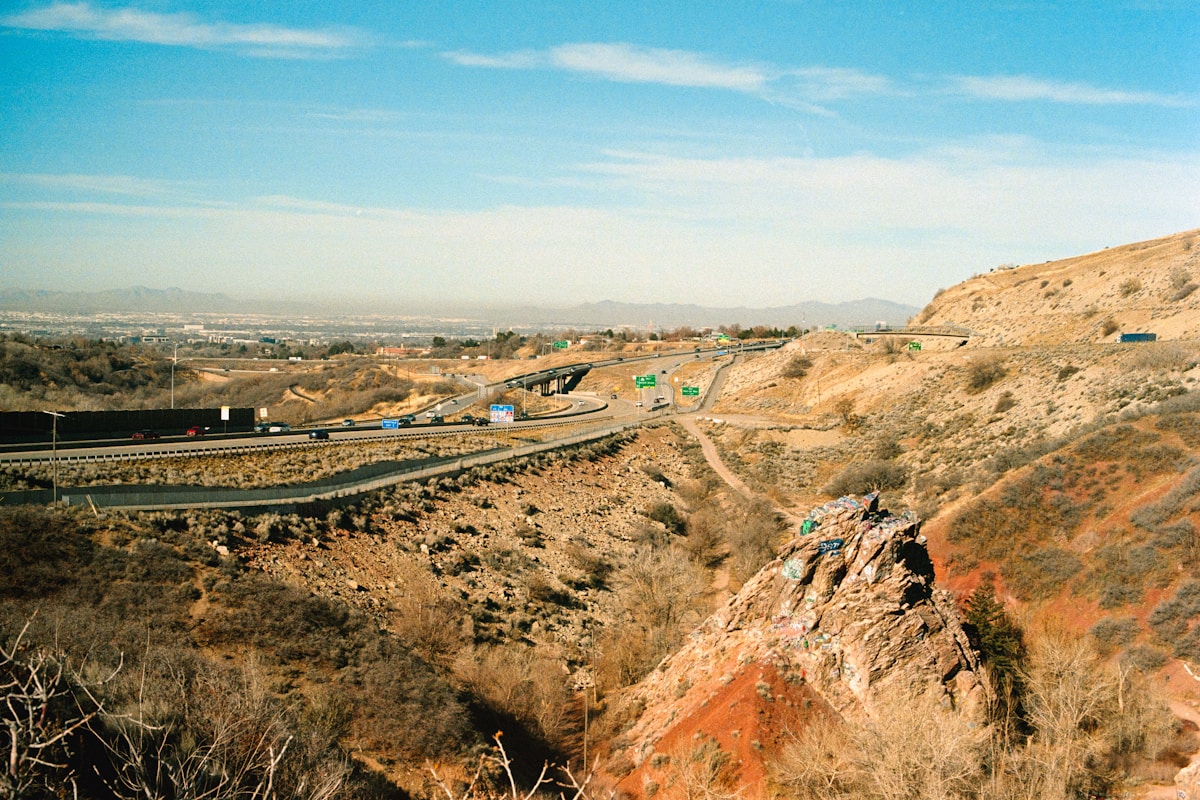
Photo by Urvish Oza on Unsplash
Beyond the interstates, the US has an extensive network of US Highways, state routes, county roads, and local streets. The famous Route 66, once the main artery connecting Chicago to Los Angeles, remains an iconic symbol of American road culture.
Breakdown:
- Expressways: 108,000 km (Interstates + other freeways)
- Highways: 250,000 km (US Highways + state highways)
- Rural roads: 4,500,000 km
- Urban roads: 1,728,610 km
2. India — 6,371,847 km
India has the second-largest road network in the world and the fastest-growing. The country has been on an infrastructure-building spree, with the Bharatmala Pariyojana project aiming to construct 65,000 km of new highways.
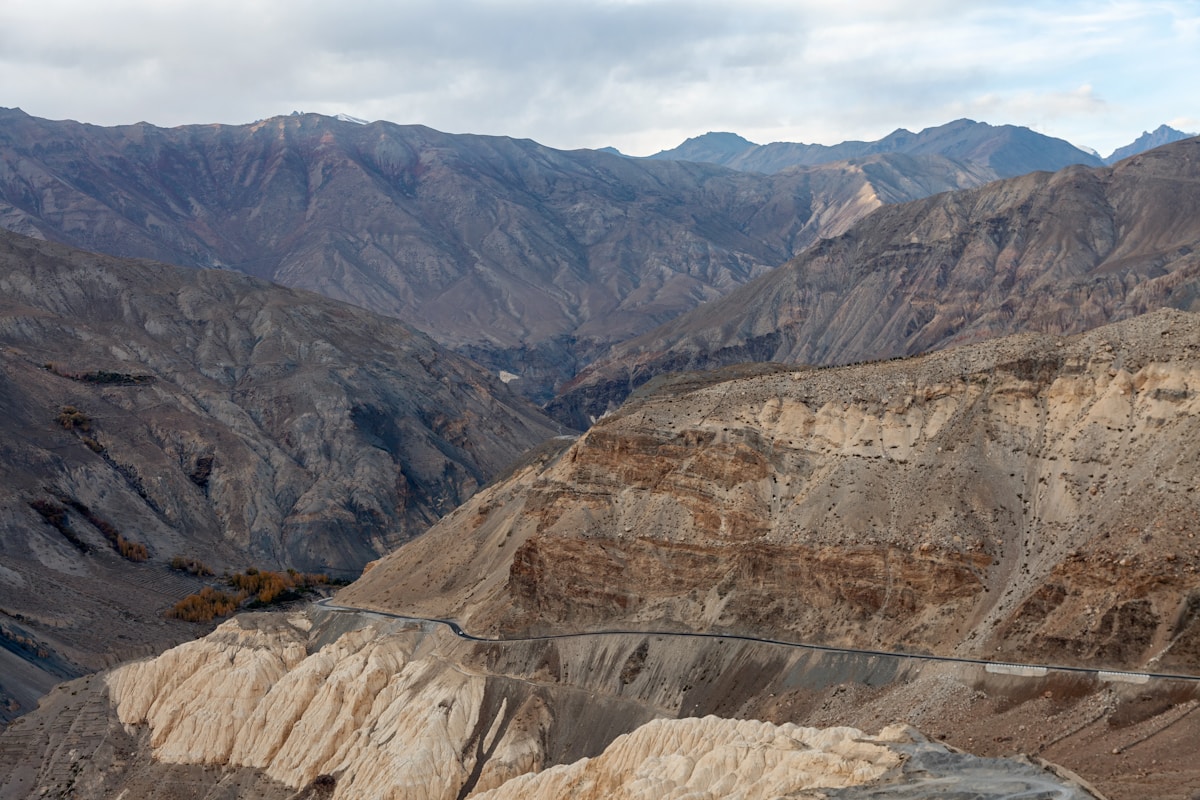
Photo by Rowan Heuvel on Unsplash
The Golden Quadrilateral and North-South East-West Corridor connect India’s major cities, while rural roads under the Pradhan Mantri Gram Sadak Yojana have brought connectivity to thousands of villages.
Breakdown:
- Expressways: 5,000 km (rapidly expanding)
- National Highways: 145,000 km
- State Highways: 186,000 km
- Rural roads: 4,500,000 km
- Urban roads: 1,535,847 km
3. China — 5,200,000 km
China’s road network has expanded at an unprecedented pace over the past two decades. The country now has the world’s longest expressway network, surpassing the United States. The National Trunk Highway System connects all provincial capitals and major cities.
Breakdown:
- Expressways: 180,000 km (world’s longest)
- National Highways: 350,000 km
- Provincial roads: 1,200,000 km
- Rural and urban roads: 3,470,000 km
4. Brazil — 2,000,000 km
Brazil’s road network spans the vast expanse of South America’s largest country. The Trans-Amazonian Highway and BR-101 coastal highway are among the most famous routes.
Breakdown:
- Expressways: 15,000 km
- Federal Highways: 75,000 km
- State roads: 220,000 km
- Municipal and rural roads: 1,690,000 km
5. Russia — 1,283,387 km
Russia’s road network must contend with extreme climates and vast distances. The legendary Trans-Siberian Highway stretches over 11,000 km from St. Petersburg to Vladivostok.
Breakdown:
- Expressways: 2,000 km
- Federal Highways: 55,000 km
- Regional roads: 520,000 km
- Local roads: 706,387 km
6. Japan — 1,218,772 km
Despite its mountainous terrain, Japan has built an impressive road network. The Shuto Expressway system serves the Tokyo metropolitan area, while toll expressways connect the entire country.
Breakdown:
- Expressways: 11,500 km
- National Highways: 55,000 km
- Prefectural roads: 130,000 km
- Municipal roads: 1,022,272 km
7. France — 1,053,215 km
France is famous for its Autoroute system — mostly toll-based expressways that are among the best-maintained in Europe. The country also has an extensive network of national and departmental roads.
Breakdown:
- Autoroutes: 11,800 km
- National roads: 21,000 km
- Departmental roads: 380,000 km
- Communal roads: 640,415 km
8. Canada — 1,042,300 km
Canada’s road network spans the world’s second-largest country by area. The Trans-Canada Highway is one of the longest national highways in the world at approximately 7,800 km.

Photo by Macarena Ollarzú on Unsplash
Breakdown:
- Expressways: 17,000 km
- National Highway: 7,800 km (Trans-Canada)
- Provincial highways: 250,000 km
- Rural and local roads: 767,500 km
9. Australia — 873,573 km
Australia’s road network connects vast distances across the Outback. The Highway 1 network circumnavigates the entire continent at approximately 14,500 km.

Photo by 𝕡𝕒𝕨𝕤 𝕒𝕟𝕕 𝕡𝕣𝕚𝕟𝕥𝕤 on Unsplash
Breakdown:
- Expressways: 3,000 km
- National Highways: 18,000 km
- State roads: 350,000 km
- Local roads: 502,573 km
10. Germany — 830,000 km
Germany’s Autobahn is legendary — sections with no speed limit attract driving enthusiasts from around the world. The country also has an extensive network of federal, state, and local roads.

Photo by Paul Frenzel on Unsplash
Breakdown:
- Autobahn: 13,000 km
- Federal roads: 40,000 km
- State roads: 86,000 km
- County and local roads: 691,000 km
11. South Africa — 750,000 km
South Africa has the most developed road network in Africa. The N1 highway connects Cape Town to Johannesburg and continues to the Zimbabwe border.
Breakdown:
- Expressways: 3,500 km
- National roads: 20,000 km
- Provincial roads: 280,000 km
- Local roads: 446,500 km
12. Mexico — 704,884 km
Mexico’s road network connects major cities and tourist destinations. The Pan-American Highway passes through the country.
Breakdown:
- Expressways: 10,000 km
- Federal highways: 45,000 km
- State roads: 180,000 km
- Rural and local roads: 469,884 km
13. Indonesia — 496,607 km
As an archipelago nation, Indonesia faces unique infrastructure challenges. The Trans-Java Toll Road is a major ongoing project connecting the island’s cities.
Breakdown:
- Expressways: 2,500 km
- National roads: 47,000 km
- Provincial roads: 260,000 km
- Local roads: 187,107 km
14. Poland — 427,580 km
Poland has invested heavily in road infrastructure since joining the EU. The A2 and A4 motorways connect east to west.
Breakdown:
- Expressways: 4,500 km
- National roads: 19,000 km
- Voivodeship roads: 380,000 km
- Local roads: 24,080 km
15. United Kingdom — 416,461 km
The UK’s road network includes motorways, A-roads, B-roads, and local streets. The M25 orbital motorway around London is one of the busiest roads in Europe.
Breakdown:
- Motorways: 3,700 km
- A-Roads: 48,000 km
- B-Roads and local roads: 364,761 km
16. Bangladesh — 369,105 km
Bangladesh’s dense road network serves one of the world’s most populous countries. The Padma Bridge has improved connectivity significantly.
Breakdown:
- Expressways: 200 km
- National highways: 3,800 km
- Regional roads: 4,800 km
- Rural and local roads: 360,305 km
17. Pakistan — 264,175 km
Pakistan’s China-Pakistan Economic Corridor (CPEC) has spurred major road infrastructure development.
Breakdown:
- Expressways: 3,000 km
- National highways: 12,000 km
- Provincial roads: 180,000 km
- Local roads: 69,175 km
18. Argentina — 240,000 km
Argentina’s Ruta Nacional 40 is one of the longest roads in the world, running parallel to the Andes for over 5,000 km.
Breakdown:
- Expressways: 2,500 km
- National routes: 38,000 km
- Provincial roads: 200,000 km
19. Italy — 228,863 km
Italy’s Autostrada system includes some of Europe’s most scenic highways, crossing the Alps and Apennines.
Breakdown:
- Autostrade: 6,700 km
- State roads: 25,000 km
- Regional and provincial: 150,000 km
- Municipal roads: 47,163 km
20. Uzbekistan — 225,500 km
Uzbekistan’s road network connects Central Asia’s most populous country. The M39 highway is part of the historic Silk Road.
Breakdown:
- Expressways: 1,500 km
- National highways: 42,000 km
- Local roads: 182,000 km
Scenic Road Highlights from Around the World
Beyond the statistics, these countries are home to some of the world’s most breathtaking drives:
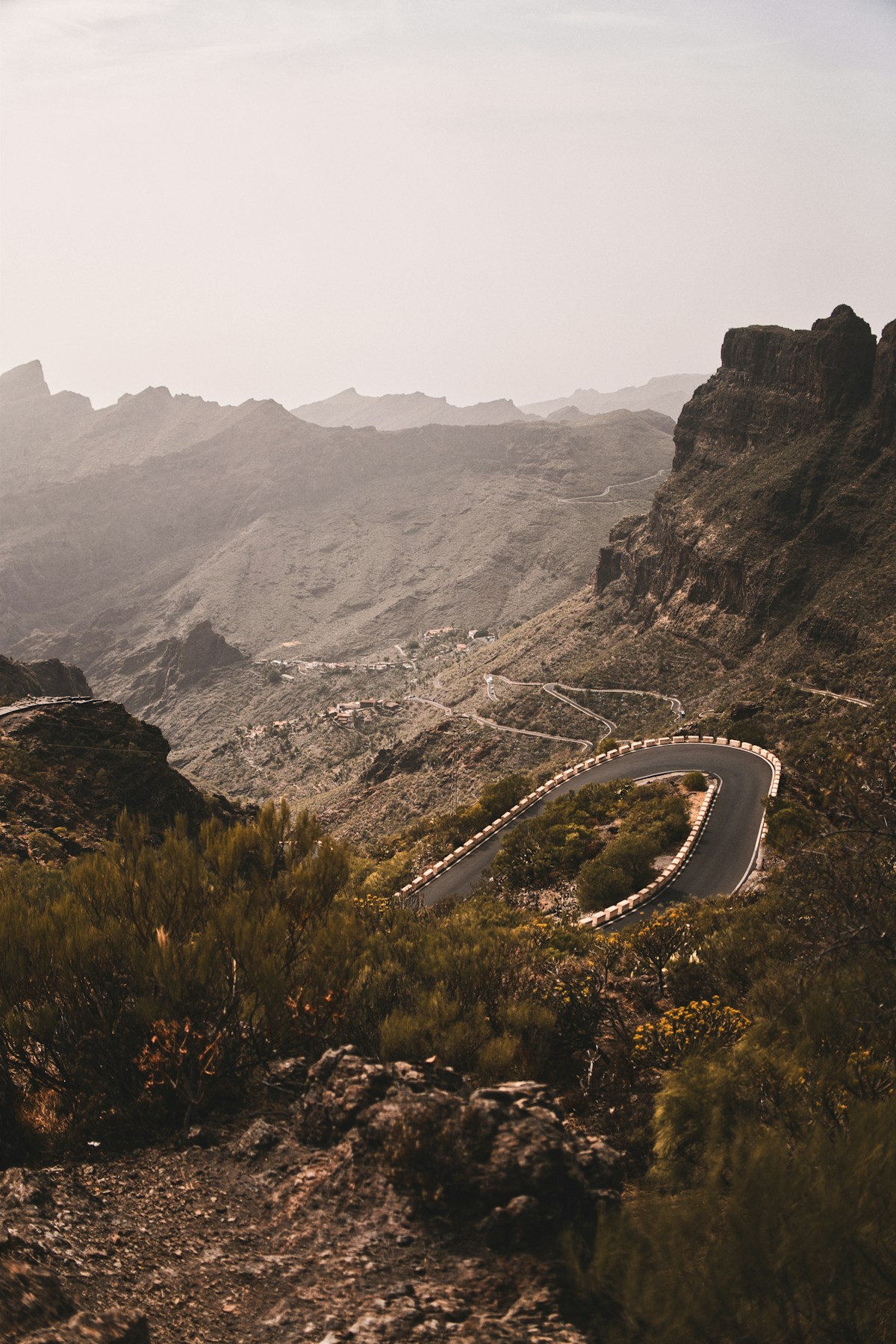
Photo by Tobias Pfeifer on Unsplash
- USA: Pacific Coast Highway (California), Blue Ridge Parkway (Virginia/North Carolina), Going-to-the-Sun Road (Montana)
- India: Manali-Leh Highway, Mumbai-Pune Expressway, East Coast Road
- Canada: Icefields Parkway (Alberta), Cabot Trail (Nova Scotia), Sea-to-Sky Highway (British Columbia)
- Australia: Great Ocean Road (Victoria), Stuart Highway (Northern Territory), Nullarbor Plain crossing
- Germany: Romantic Road (Bavaria), Black Forest High Road, Alpine Road
- Italy: Amalfi Coast Drive, Stelvio Pass, Great Dolomite Road
The Future of Global Road Infrastructure
As the world moves toward electric vehicles and autonomous driving, road networks are evolving. Smart highways with embedded sensors, wireless charging lanes, and solar roadways are being tested. Countries like China and India continue massive expansion programs, while developed nations focus on maintenance and intelligent upgrades.
The challenge for the next decade is balancing expansion with sustainability. Building more roads can induce more traffic — a phenomenon known as induced demand. The most successful countries will be those that integrate road networks with public transport, cycling infrastructure, and pedestrian-friendly urban design.
For now, these 20 countries represent the backbone of global road transport — connecting billions of people and trillions of dollars in trade across every continent.