
Traffic congestion has become one of modern India’s most visible and frustrating realities. From the narrow lanes of old city centers to the sprawling expressways of metropolitan giants, millions of Indians spend a significant portion of their daily lives stuck in traffic. What was once an occasional inconvenience has evolved into a chronic urban condition that costs the economy billions, wastes countless hours, and takes a severe toll on public health and quality of life.
The image of traffic congestion in India is instantly recognizable to anyone who has lived in or visited its major cities — a dense, chaotic mosaic of vehicles, honking horns, impatient drivers, and the ever-present two-wheeler weaving through impossible gaps. But behind this familiar scene lies a complex web of urban planning failures, rapid motorization, inadequate public transport, and the sheer scale of India’s population growth.
The Scale of the Problem
India is home to some of the world’s most congested cities. According to various traffic indices and studies, Indian cities consistently rank among the worst globally for traffic congestion. The TomTom Traffic Index, which measures congestion levels in cities worldwide, regularly places Indian metros in the top tier of congestion — with average travel times during peak hours being 50-70% longer than during free-flow conditions.
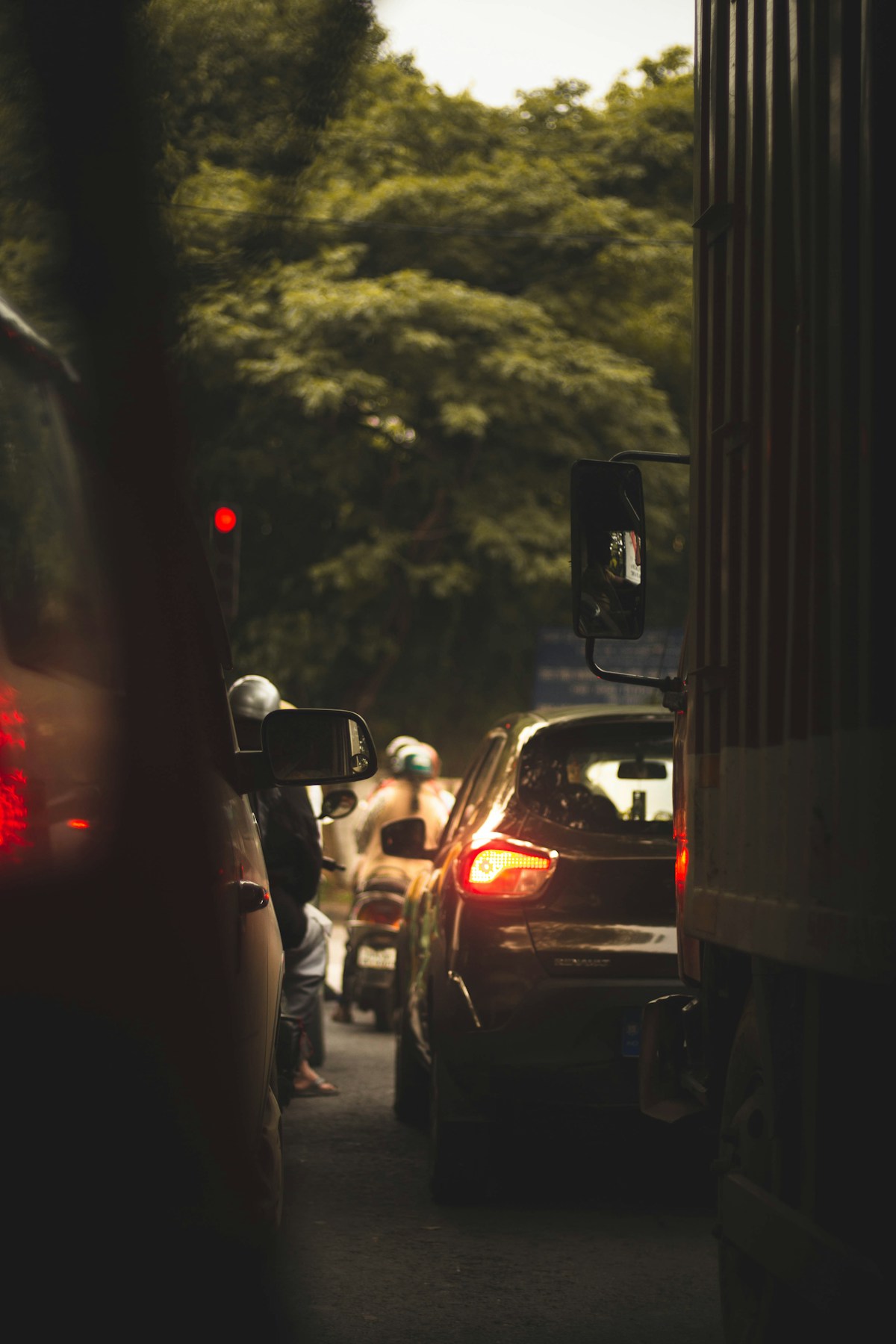
The economic cost is staggering. A study by the Boston Consulting Group estimated that traffic congestion costs Indian cities approximately $22 billion annually in lost productivity, fuel wastage, and environmental damage. The average commuter in a major Indian city loses 150-200 hours per year stuck in traffic — equivalent to nearly a month of full-time work.
Beyond economics, the human cost is equally severe. Air pollution from vehicular emissions is a leading cause of respiratory diseases in urban India. Stress-related health issues, road rage incidents, and the simple erosion of quality of life all compound the problem. For many Indians, the daily commute has become the most dreaded part of the day.
Delhi: The Capital Gridlock
Delhi, the national capital, presents perhaps the most dramatic example of India’s traffic crisis. The Delhi National Capital Region (NCR) is one of the world’s largest urban agglomerations, with a population exceeding 30 million. The number of registered vehicles in Delhi crossed the 10 million mark years ago and continues to grow.
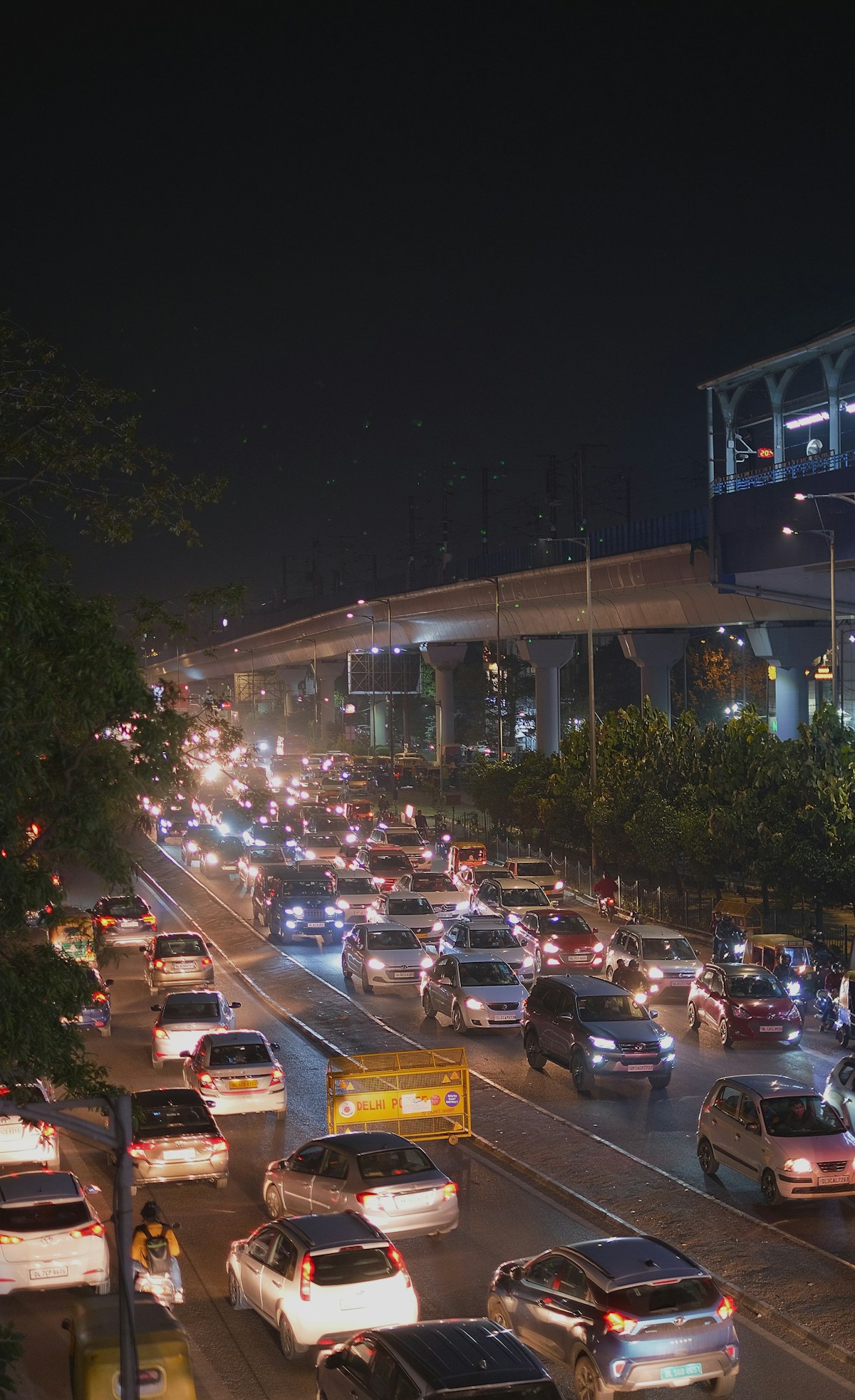
The city’s road network, despite significant expansion including expressways like the Delhi-Meerut Expressway and the Eastern and Western Peripheral Expressways, simply cannot keep pace with vehicle growth. Key corridors such as the Delhi-Gurgaon Expressway, Ring Road, and Outer Ring Road experience chronic congestion during peak hours.
Delhi has experimented with various solutions — the odd-even vehicle rationing scheme, the Delhi Metro (which now spans over 390 kilometers), bus rapid transit systems, and congestion pricing discussions. While the Metro has been a game-changer for public transport, the last-mile connectivity problem persists. Many commuters still need to use autos, buses, or private vehicles to reach Metro stations, diminishing the overall efficiency gains.
The city’s air quality crisis, particularly during winter months when crop burning in neighboring states compounds vehicular emissions, has added urgency to traffic management. Delhi frequently tops global lists of most polluted cities, with traffic being a significant contributor to PM2.5 and NO2 levels.
Mumbai: The Island City Squeeze
Mumbai faces a unique geographical constraint — it is a narrow peninsula with limited room for road expansion. The city’s north-south orientation means that most traffic funnels through a handful of arterial roads, creating predictable but unavoidable bottlenecks.
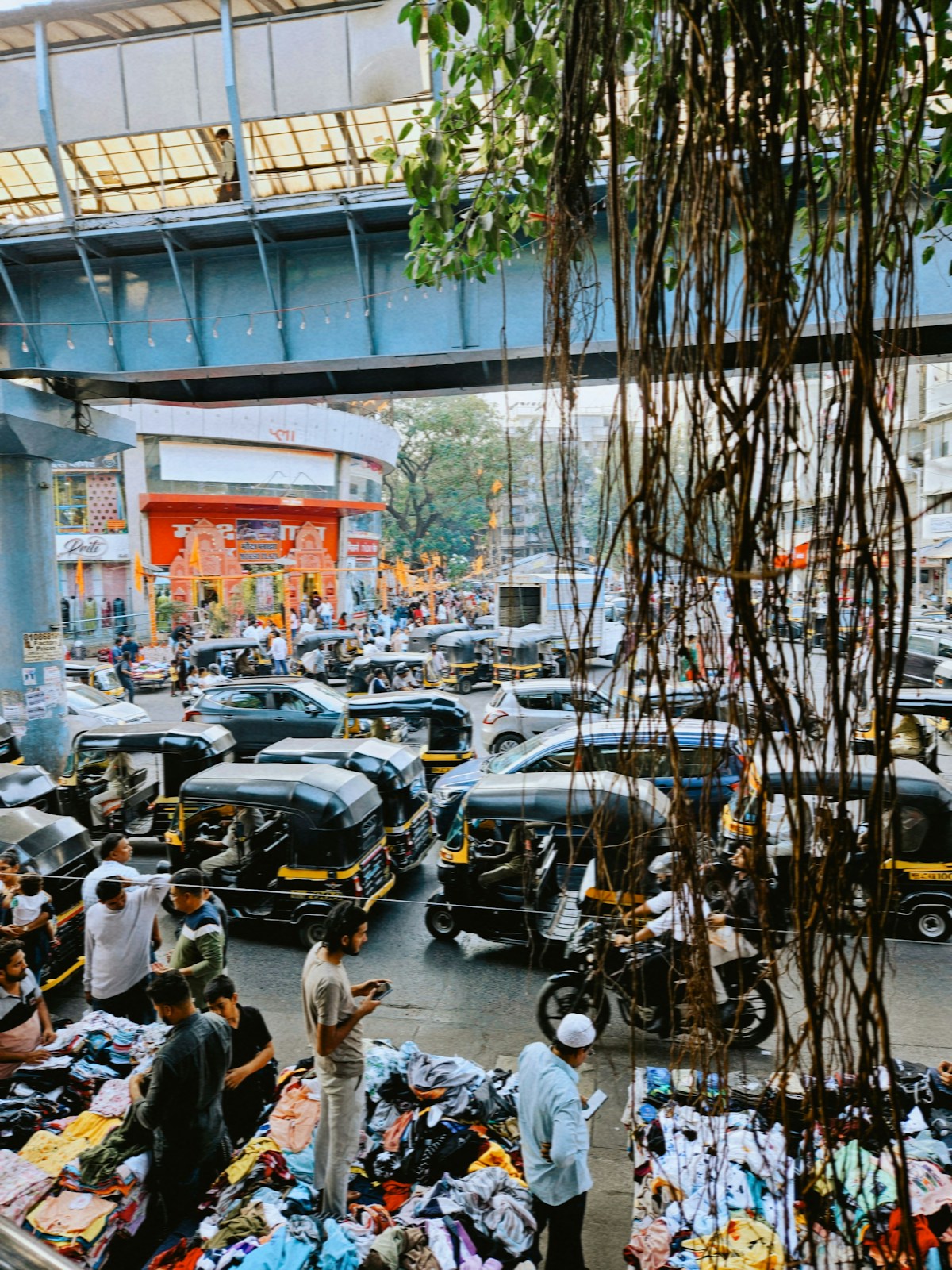
The Mumbai local train network, often called the city’s lifeline, carries over 7 million passengers daily. Yet even this massive system is stretched beyond capacity, with trains running at crush loads during peak hours. The road network, constrained by the sea on one side and suburban sprawl on the other, offers little relief.
The Mumbai Metro, monorail, and coastal road projects represent attempts to expand capacity, but progress has been slow and controversial. The Bandra-Worli Sea Link, once hailed as a solution to western corridor congestion, is now routinely jammed during peak hours. The under-construction Mumbai Trans Harbour Link and coastal road promise relief, but urban planners warn that induced demand — where new roads simply attract more vehicles — may quickly negate any gains.
Mumbai’s traffic also has a distinctive character. The city’s famous black-and-yellow Premier Padmini taxis, though rapidly disappearing, shared roads with luxury sedans, auto-rickshaws, buses, handcarts, and pedestrians in a chaotic but somehow functional dance. The famous Mumbai spirit of resilience is often tested on its roads, where a one-hour commute can stretch to three during monsoon season.
Bangalore: The Tech City Traffic Trap
Bangalore (Bengaluru) presents a cautionary tale of what happens when a city’s infrastructure fails to keep pace with its economic success. Once known as the Garden City and Pensioners’ Paradise, Bangalore’s transformation into India’s Silicon Valley brought millions of new residents and vehicles — but the road network remained largely unchanged.
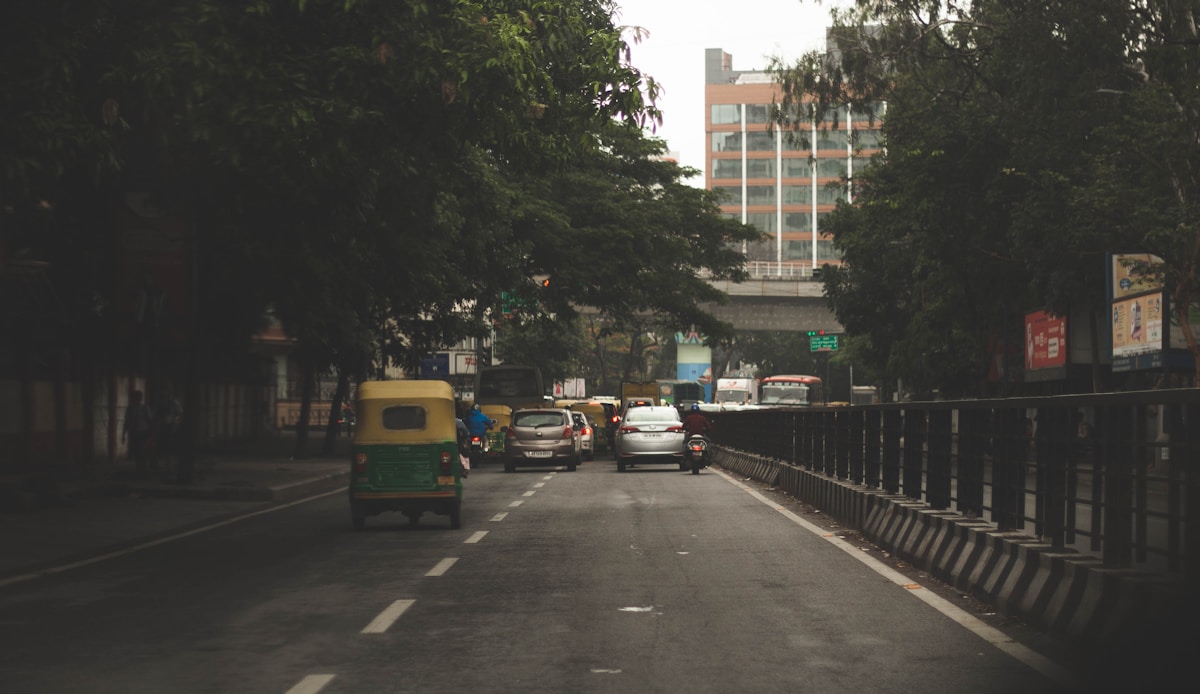
The city’s traffic congestion has become legendary. The Outer Ring Road, which was supposed to ease congestion, is now notorious for its jams. The Whitefield-ITPL corridor, home to many of India’s largest tech companies, regularly sees commutes that stretch to two hours for distances under 15 kilometers. Social media is filled with memes about Bangalore traffic, but for daily commuters, it is no laughing matter.
Bangalore’s metro system, Namma Metro, has expanded significantly but still covers only a fraction of the city. The suburban rail project, long promised, has faced delays. Flyovers and underpasses have been built at major intersections, but critics argue these merely shift bottlenecks rather than solving underlying capacity issues.
The city’s rapid, largely unplanned growth has created additional problems. Waterlogging during rains, poorly maintained roads, and the constant digging for utilities (earning Bangalore the nickname “Digging City”) all compound traffic woes. The famous Bangalore weather, once a major draw, does little to compensate for hours lost in traffic.
Chennai, Kolkata, and Other Cities
While Delhi, Mumbai, and Bangalore grab headlines, traffic congestion is a nationwide problem. Chennai struggles with flooding and inadequate public transport despite its relatively well-planned grid layout. Kolkata, with its narrow colonial-era streets and the iconic but overcrowded tram network, faces its own challenges. Hyderabad, Pune, Ahmedabad, and Jaipur — all rapidly growing cities — are experiencing the same trajectory of worsening congestion.
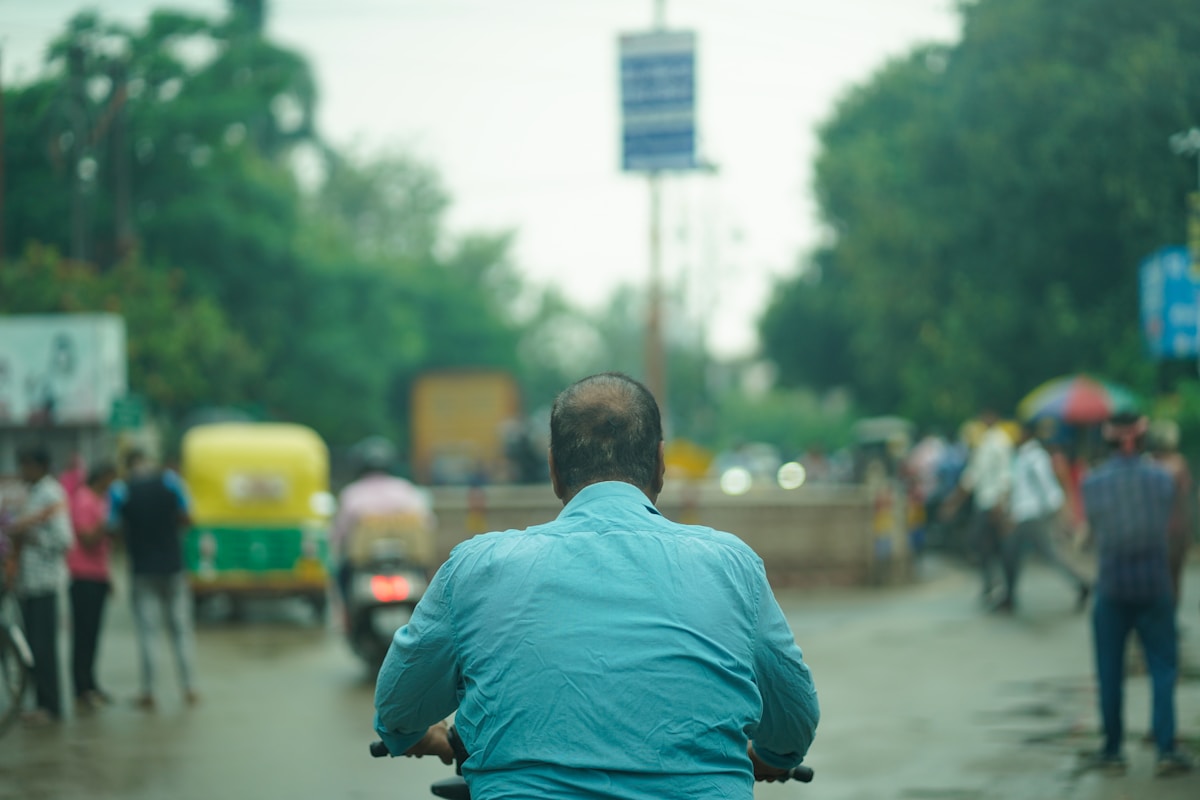
Even smaller tier-2 and tier-3 cities are not immune. As economic activity decentralizes and smaller cities grow, they are importing the same car-dependent development patterns that created congestion in larger metros. The warning signs are clear: without intervention, India’s traffic crisis will spread rather than concentrate.
Why Traffic Keeps Getting Worse
Several interconnected factors drive India’s traffic congestion:
Rapid motorization: India’s vehicle population has grown exponentially. Two-wheelers remain the dominant mode, but car ownership is rising rapidly with a growing middle class. Commercial vehicles, including app-based cabs and delivery fleets, add to the pressure.
Inadequate public transport: Despite improvements in metro systems, bus networks in most Indian cities are underfunded, poorly maintained, and insufficient in coverage. The last-mile problem — getting from home to transit and from transit to destination — remains largely unsolved.
Urban sprawl: Indian cities are expanding outward faster than infrastructure can follow. Affordable housing is often located far from employment centers, forcing long commutes. Mixed-use development, which could reduce travel distances, remains rare.
Poor road design and management: Many Indian roads lack proper lane markings, signage, and traffic management systems. Intersections are often unregulated or poorly signalized. Parking occupies valuable road space. Encroachments by vendors and illegal constructions further narrow available space.
Institutional fragmentation: Urban governance in India is often split between multiple agencies with overlapping and unclear responsibilities. Coordination between traffic police, municipal corporations, development authorities, and transport departments is frequently lacking.
Solutions and Hope for the Future
Despite the grim picture, there are reasons for cautious optimism. Several Indian cities are experimenting with solutions:
Metro expansion: Delhi, Mumbai, Bangalore, Chennai, Hyderabad, Kochi, and other cities are building or expanding metro networks. While expensive and slow to build, metros offer high-capacity, reliable transport that can shift significant numbers from private vehicles.
Bus priority and BRT: Cities like Ahmedabad (Janmarg BRT) and Indore have shown that well-designed bus rapid transit can deliver metro-like service at a fraction of the cost. Dedicated bus lanes, signal priority, and high-quality stations make buses an attractive option.
Non-motorized transport: Cycling and walking infrastructure, long neglected, is receiving attention. Pune, Bangalore, and Delhi have implemented cycle-sharing programs and dedicated cycling lanes in some areas. The COVID-19 pandemic briefly boosted cycling, though sustained investment remains limited.
Intelligent transport systems: Adaptive traffic signals, real-time traffic monitoring, and app-based information services are being deployed in major cities. While not a panacea, these technologies can squeeze more capacity from existing roads.
Remote work: The pandemic demonstrated that many jobs can be performed remotely. While offices have largely reopened, hybrid work models have reduced peak-hour traffic in some areas. Whether this trend persists remains to be seen.
Urban planning reforms: There is growing recognition that traffic cannot be solved by building more roads alone. Transit-oriented development, mixed-use zoning, and densification around transit corridors are being discussed and, in some cases, implemented.
The fundamental challenge is political will and funding. Traffic solutions require long-term investment and the courage to prioritize public transport over private vehicles — a difficult sell in a democracy where car ownership is aspirational. But the cost of inaction — in lost productivity, polluted air, and diminished quality of life — is becoming impossible to ignore.
For the millions of Indians who navigate congested streets daily, the hope is that the cities of the future will offer something better than the gridlock of today. The image of traffic congestion, so familiar now, may one day become a historical curiosity rather than a daily reality.
Sources
- TomTom Traffic Index — Global congestion rankings
- Boston Consulting Group — Economic impact of traffic congestion in India
- Ministry of Road Transport and Highways — Vehicle registration statistics
- Central Pollution Control Board — Air quality data for Indian cities
- World Health Organization — Health effects of urban air pollution
- Traffic Congestion – Wikipedia
- Smart Cities Mission — Urban development initiatives