
Namakkal sits in the heart of Tamil Nadu like a city with two stories to tell. One story is ancient — carved into a 65-meter rock that rises from the flatland, decorated with cave temples that have watched over the town for more than 1,400 years. The other story is modern — a city that produces more eggs than almost anywhere in India, builds trucks and lorry bodies by the thousands, and was the first municipality in Asia to earn an ISO 14001 certification for environmental management.
These two stories do not contradict each other. They layer. Namakkal is a place where a lorry manufacturer might stop at the Narasimha temple before a long haul, and where a poultry farmer can point to the same rock that pilgrims have climbed for centuries. The city does not choose between old and new. It simply lives with both.
The Name and the Rock
The name Namakkal comes from Namagiri — the single massive rock formation that dominates the city center. The rock is 65 meters high and over a kilometer in circumference, a natural monolith that looks almost deliberately placed, as if someone set it down in the middle of the plains and built a city around it.
Geologically, the Namagiri rock is part of the Eastern Ghats formation, composed of granite and gneiss that have resisted erosion while the softer surrounding material wore away. The result is a dramatic isolated hill that serves as a natural landmark visible for miles. For travelers on the Salem–Tiruchirappalli highway, the first sight of Namakkal is often this rock rising above the flat agricultural landscape like a sentinel.
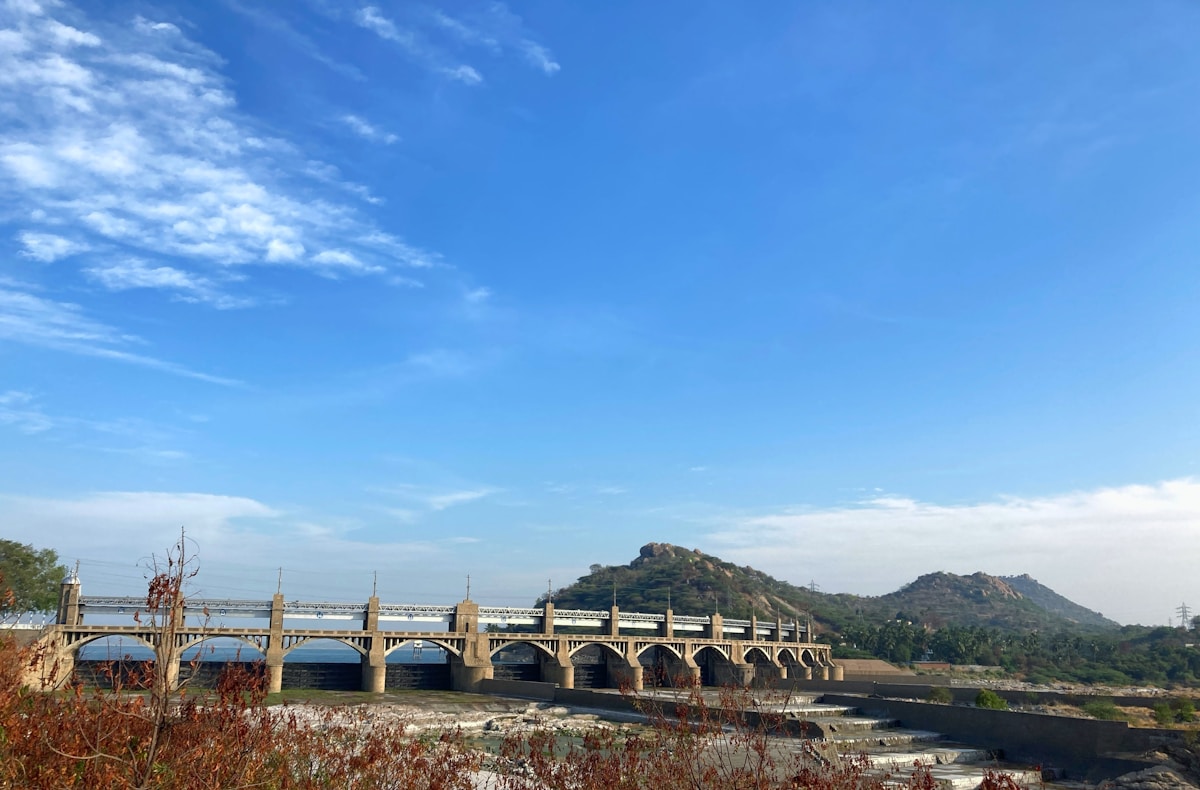
The rock is not just scenery. It is sacred. At its base and carved into its face are two cave temples that transform the geological curiosity into a living religious site. The combination of natural grandeur and human devotion gives Namakkal its particular character — a city built in the shadow of something much older than itself.
The Cave Temples
The Namagiri hill contains two rock-cut cave temples that historians date to the 6th century CE, though some scholars place elements as early as the pre-Varagunan I era (before 800 CE). The temples were excavated by the Satyaputra kings and Pandya rulers, who used the natural rock face as their canvas.
The first temple is Sri Namagiri Thayar sametha Sri Narasimhaswamy Perumal Temple, dedicated to Lord Vishnu in his Narasimha avatar — the man-lion form that emerged from a pillar to protect his devotee Prahlada. The second is Sri Ranganatha Perumal Temple, also dedicated to Vishnu. Both temples feature the characteristic elements of early South Indian rock-cut architecture: pillared mandapas, carved relief panels, and inscriptions that record donations and royal patronage.
Historian Soundara Rajan and archaeologist P. R. Srinivasan have both studied these temples, comparing their paleography and architectural style to the famous Badami Caves of Karnataka. The similarities suggest shared craftsmanship and cultural exchange across the Deccan during the 6th and 7th centuries. The inscriptions are particularly valuable — they offer glimpses of administrative language, religious practice, and social structure from a period when written records were still relatively rare in this part of Tamil Nadu.
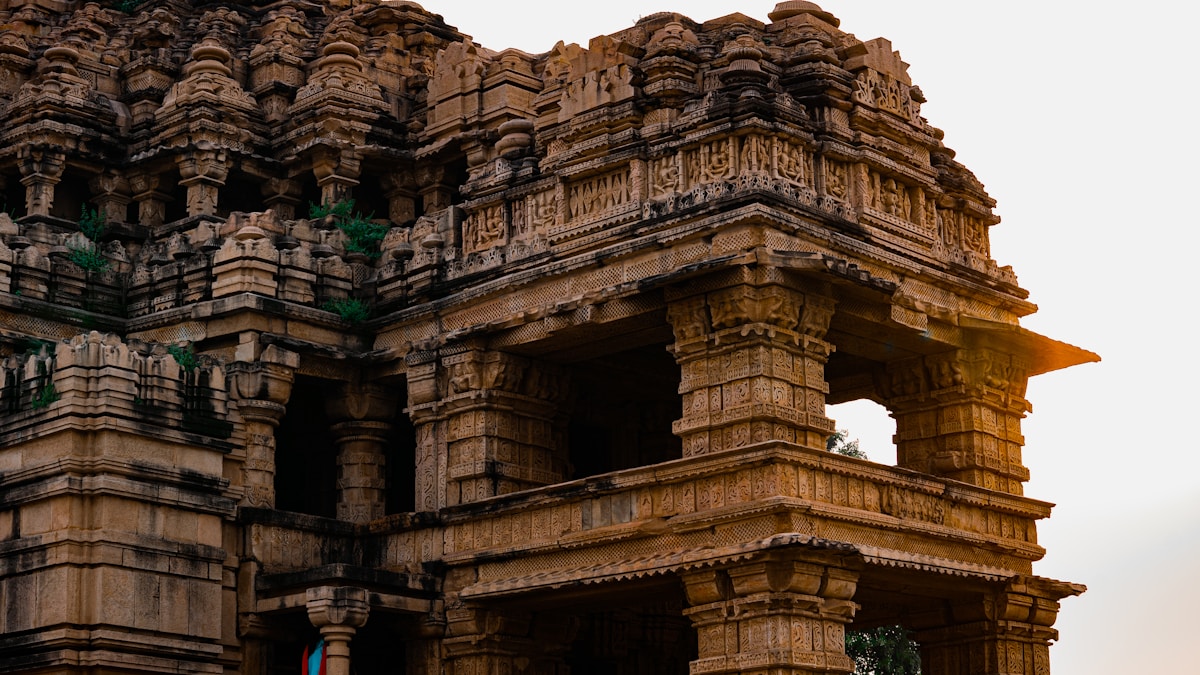
For visitors today, the temples offer something beyond historical interest. The climb up Namagiri rock, though not strenuous, provides panoramic views of the city and the surrounding agricultural belt. The temples themselves are active places of worship, not museum pieces, and the combination of ancient stone and living devotion creates an atmosphere that no reconstructed heritage site can replicate.
Egg City of India
If the rock gives Namakkal its ancient identity, eggs give it its modern one. The city is known across India as the Egg City — a title earned through decades of concentrated poultry farming that has made the district one of the largest egg-producing regions in the country.
The poultry industry in Namakkal did not emerge by accident. The region’s climate, with its moderate temperatures and reliable water supply from the Kaveri tributaries, created favorable conditions for layer farming. Over time, entrepreneurs developed expertise in feed production, breeding, cold chain logistics, and market distribution. What began as small-scale farming consolidated into an industrial cluster with national reach.
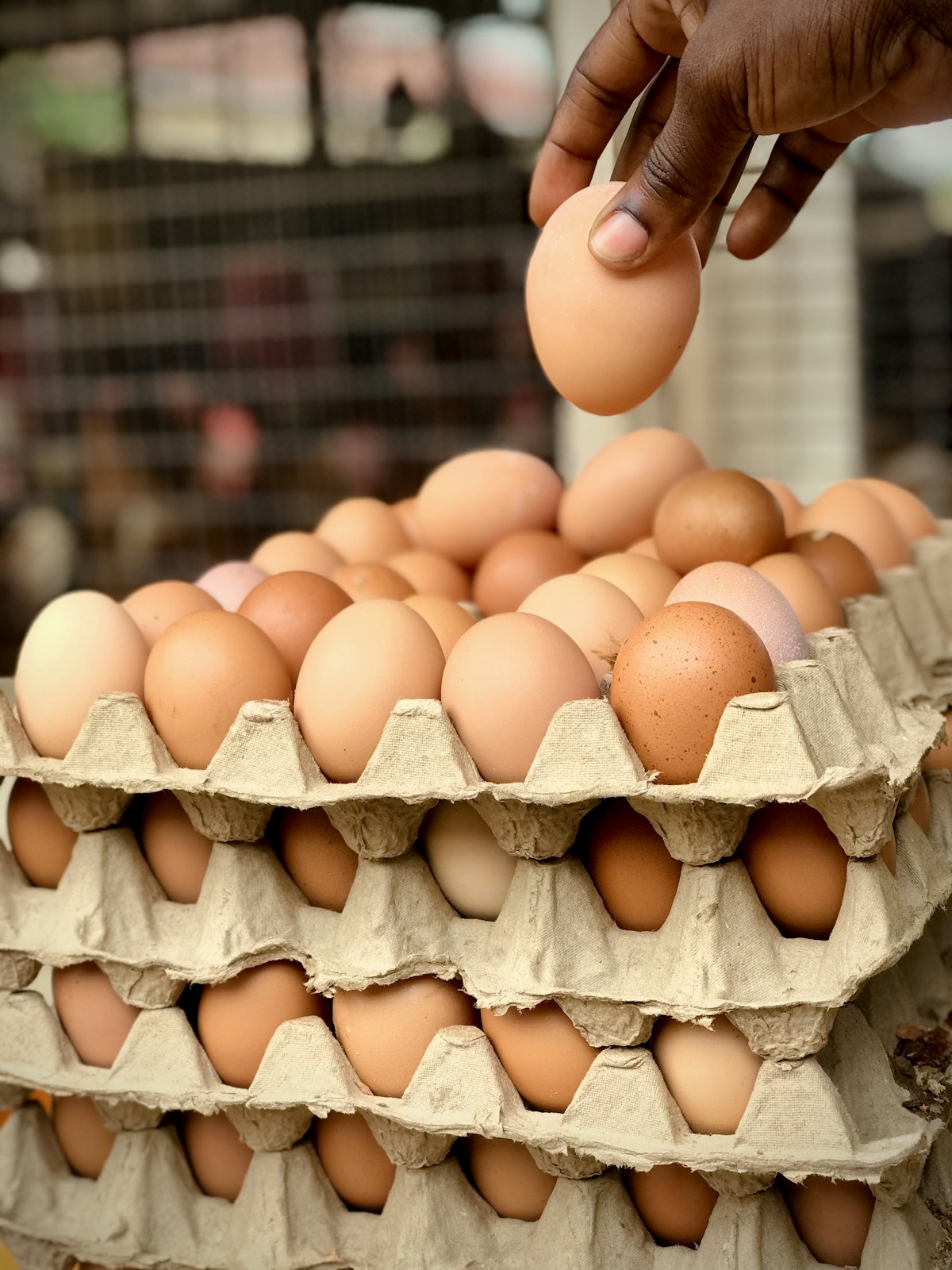
Today, Namakkal’s eggs travel far beyond Tamil Nadu. The district’s poultry farms supply markets across South India and export to Middle Eastern countries. The industry supports thousands of jobs — not just on farms, but in feed mills, hatcheries, equipment manufacturing, and transportation. For a city of its size, Namakkal’s influence on India’s protein supply is disproportionately large.
The egg industry has also shaped the city’s infrastructure. Cold storage facilities, veterinary services, and specialized transport networks have all developed to support poultry logistics. The Namakkal Egg Market is a major price-setting hub for the region, and traders from across Tamil Nadu come here to negotiate bulk purchases.
Transport Hub
Namakkal’s second modern nickname is Transport City. The district is one of India’s largest centers for lorry and truck body building, with hundreds of small and medium workshops that fabricate cargo bodies, tankers, and specialized transport vehicles.
The transport industry grew organically from the region’s agricultural and poultry needs. Farmers needed vehicles to move produce. Poultry farms needed refrigerated trucks. Over time, local metalworkers developed expertise in vehicle fabrication that expanded beyond local demand to serve customers across India. Today, a significant percentage of the trucks on Indian highways carry bodies built in Namakkal workshops.
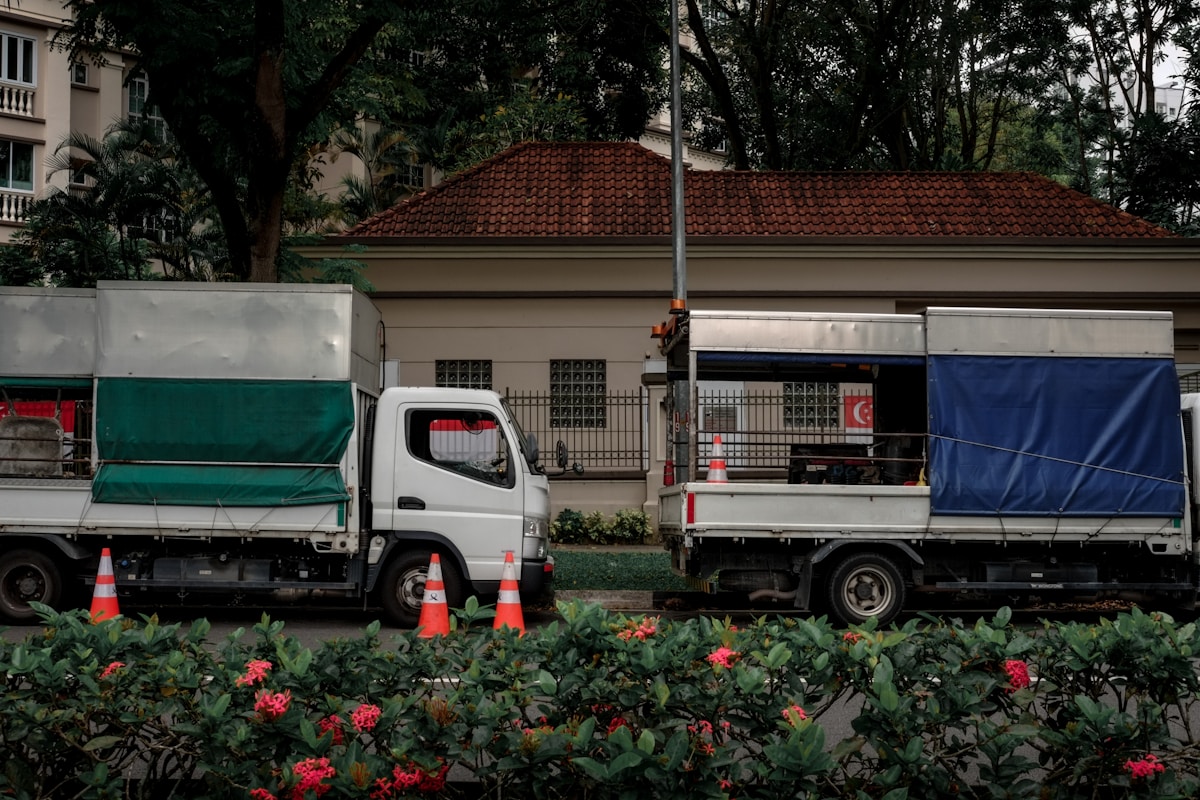
The industry is decentralized — hundreds of small workshops rather than a few large factories — which makes it resilient but also difficult to regulate. Workers in Namakkal’s transport cluster have skills in welding, metal forming, painting, and vehicle assembly that have been passed down through apprenticeship rather than formal training. The result is a craft-based manufacturing sector that competes on customization and cost rather than scale.
The transport and poultry industries are connected in ways that are not immediately obvious. The same logistics networks that move eggs also move truck components. The same entrepreneurs often have interests in both sectors. And the same highway — NH-44, which runs through Namakkal — serves both the vehicles built here and the agricultural products they carry.
An Environmental First
In 2004, Namakkal became the first municipality in Asia to receive ISO 14001 certification for environmental management. The certification covered water supply, solid waste management, sewage treatment, town planning, street lighting, and other municipal services — a comprehensive evaluation of how the city manages its environmental footprint.
The achievement is notable because Namakkal is not a wealthy city. It does not have the resources of Chennai or Coimbatore. What it had was administrative will and a systematic approach to environmental compliance. The certification required documenting processes, setting measurable targets, and demonstrating continuous improvement — management practices that were relatively uncommon in Indian municipal government at the time.
For a city with intensive poultry farming, environmental management is particularly important. Poultry waste, if not handled properly, can contaminate water supplies and create air quality problems. Namakkal’s ISO certification suggested that the city was taking these challenges seriously, integrating industrial growth with environmental responsibility.
Whether the standards have been maintained in the years since is a fair question — certifications expire and must be renewed, and municipal priorities shift. But the original achievement remains a marker of what Namakkal aimed to be: a city that could industrialize without abandoning environmental discipline.
Namakkal Today
Modern Namakkal is a city of contradictions that somehow hold together. The ancient rock and its temples draw pilgrims and tourists. The poultry farms produce millions of eggs daily. The transport workshops build vehicles that carry goods across India. And the highways — NH-44 and the network of state roads — connect it all to the wider economy.
The city is also an educational center, with engineering colleges and arts and science institutions that attract students from surrounding districts. This educational infrastructure is relatively new, a sign that Namakkal is trying to diversify beyond agriculture and industry into knowledge-based services.
What makes Namakkal interesting is not any single achievement but the layering. A lorry driver might pray at a 1,400-year-old temple before a long trip. A poultry farmer might use a smartphone app to check egg prices while standing in a field that his grandfather tilled. A student at a modern engineering college can see the Namagiri rock from her classroom window. The city does not resolve these juxtapositions — it simply lives with them, as Indian cities have always done.
For travelers, Namakkal is often a stop rather than a destination — a place to break the journey between Salem and Tiruchirappalli, or a detour on the way to Yercaud or Kolli Hills. But the city rewards those who pause. The climb up Namagiri rock, the sight of trucks being assembled in open workshops, the bustle of the egg market — these are experiences that do not fit neatly into tourist categories but offer something more authentic: a glimpse of how a mid-sized Indian city actually works.